Landowners across southeastern Wisconsin and northern Illinois often discover that unmanaged acreage creates safety risks and limits how the property can be used. In our region, dense brush, fallen timber, uneven ground, and seasonal moisture all contribute to hazards that grow worse over time.
Midwest Clearcut Land Services works with property owners to address these issues through professional land clearing strategies that prioritize safety and long-term usability while respecting local terrain and environmental conditions.
How Land Clearing Improves Safety Across Your Property
Safety improvements are the most important and immediate benefits of professional land clearing. Overgrown land hides hazards that can cause injury, property damage, and costly surprises during future projects.
Reducing Hidden Hazards That Lead to Injuries
Poorly maintained parcels often conceal risks that remain invisible until someone encounters them. Thick brush and tall grasses hide holes, rocks, old fencing, and stumps that cause trips or equipment damage. Professional brush clearing exposes these dangers, allowing crews to remove or stabilize them before accidents occur.
Tree-related hazards also demand attention in the Upper Midwest. Ice storms, heavy snow loads, and high winds leave weakened limbs and unstable trees in their wake. Identifying and removing these threats prevents unexpected failures near trails, structures, and work areas.
Common safety hazards addressed through clearing include:
- Concealed ground obstacles that cause falls or equipment damage
- Dead or storm-damaged trees facing the risk of failure
- Sharp or tangled vegetation that restricts movement
Lowering Fire and Emergency Access Risks
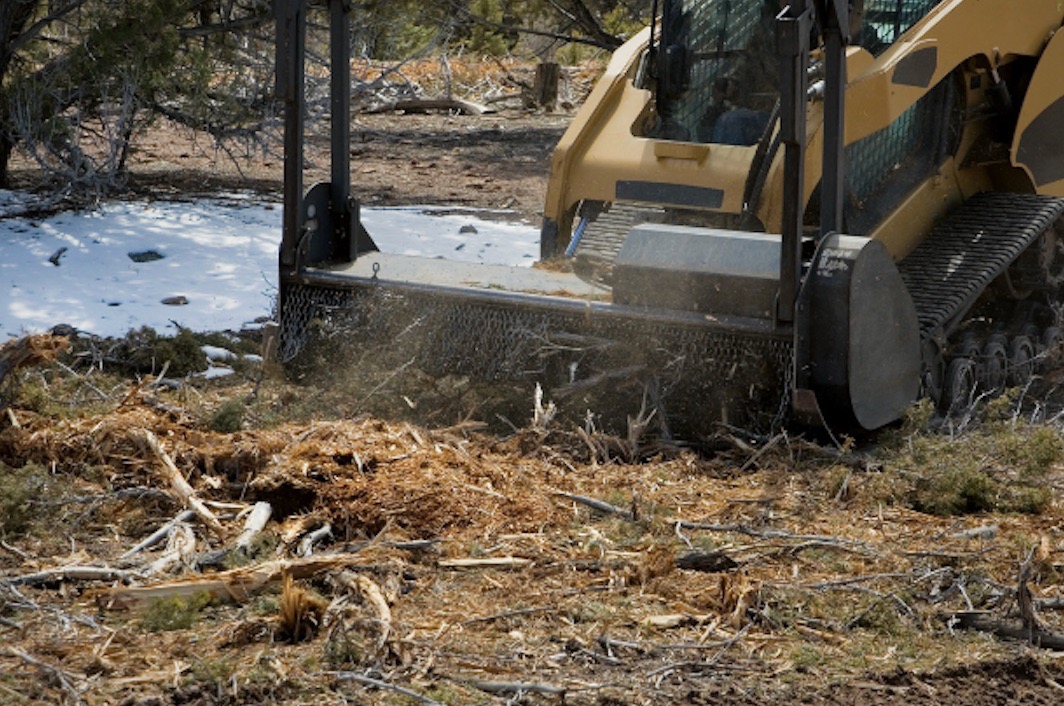
While our region is not considered among America’s most wildfire-prone areas, unmanaged brush and deadwood still create fire hazards during dry periods. Clearing disrupts continuous fuel paths near homes, barns, driveways, and utility areas. Techniques such as forestry mulching reduce fuel loads while minimizing soil disturbance and eliminating the need for burn piles.
Improved safety also depends on emergency access. Fire crews, medical responders, and utility vehicles require clear routes. Removing obstructions ensures faster response times during storms, medical emergencies, or infrastructure repairs.
Supporting Safer Drainage and Ground Conditions
Water management plays a significant role in land safety throughout this region. Clay-heavy soils retain moisture, creating slick surfaces and unstable ground. Professional site preparation addresses these risks by pairing clearing with drainage planning and selective land grading.
Proper grading prevents erosion, washouts, and winter ice buildup while supporting safer vehicle and foot traffic. Clearing without this planning often worsens runoff problems and increases long-term maintenance risk.
How Land Clearing Improves Accessibility and Usability
Where safety focuses on reducing hazards, accessibility focuses on making land more usable and navigable year-round. Professional land clearing transforms difficult terrain into usable space.
Creating Reliable Access Routes for People and Equipment
Overgrowth narrows or completely chokes out travel corridors and limits turning space for vehicles. Strategic vegetation removal opens access for maintenance, recreation, and emergency use while preserving surrounding areas.
Professionals design access routes that support:
- Driveways and turnarounds for trucks and trailers
- Trails for walking, hunting, or property inspection
- Service paths to fences, utilities, and outbuildings
Reliable ingress and egress routes prevent repeated rutting, stuck vehicles, and unnecessary surface damage.
Improving Year-Round Property Accessibility
Accessibility in the Midwest depends on managing water and soil movement. Clearing vegetation alone often provides only temporary access. Long-term property accessibility requires shaping surfaces that shed water and remain stable through freeze-thaw cycles.
Selective grading, base preparation, and drainage improvements help keep the land passable during spring melt, heavy rains, and winter conditions. This approach reduces seasonal bottlenecks that limit property use.
Preparing Land for Future Projects and Maintenance
Professionally cleared and accessible land supports future development without repeated disruption. Whether planning construction, fencing, or utility installation, contractors need stable access and defined work zones.
Professional clearing improves readiness by establishing:
- Protected equipment routes that limit soil disturbance
- Staging areas for materials and machinery
- Stable pads for drilling, trenching, or concrete delivery
Properly sequencing clearing and access improvements helps landowners meet local erosion and stormwater expectations while protecting the remainder of their parcel.
Enhancing Visibility and Ongoing Management
Accessibility also includes visibility. Removing understory growth improves sightlines along trails, boundaries, and entry points. Clear views allow landowners to identify drainage issues, downed trees, trespass paths, or wildlife activity early.
Strategic clearing also simplifies ongoing maintenance tasks such as mowing, fencing, and inspection. In larger parcels, this visibility prevents minor problems from becoming major repairs.
Talk With the Professionals at Midwest Clearcut Land Services About Safe and Accessible Land Clearing
Improving safety and accessibility requires more than removing vegetation. It demands careful planning, regional knowledge, and disciplined execution.
Midwest Clearcut Land Services helps property owners across southeastern Wisconsin and northern Illinois create safer, more usable land through professional land clearing solutions.
Call our team at (262) 383-4994 or contact us online to get a quote and explore land clearing options for your property.